BUILT IN TAMPA BAY. BUILT FOR REAL BUSINESS.
YAIVA was created to solve a simple problem: businesses should not lose customers just because they cannot answer every call. We built a smarter way to stay connected, respond faster, and keep real opportunities from slipping away.
THE PROBLEM WAS SIMPLE. TOO MANY CALLS WERE BEING MISSED.
I kept hearing the same frustration from local business owners: they could not answer every call while running their business.
Calls came in while they were helping customers, driving between jobs, working after hours, or simply unable to pick up. And every unanswered call could mean a missed customer, a missed appointment, or lost revenue.
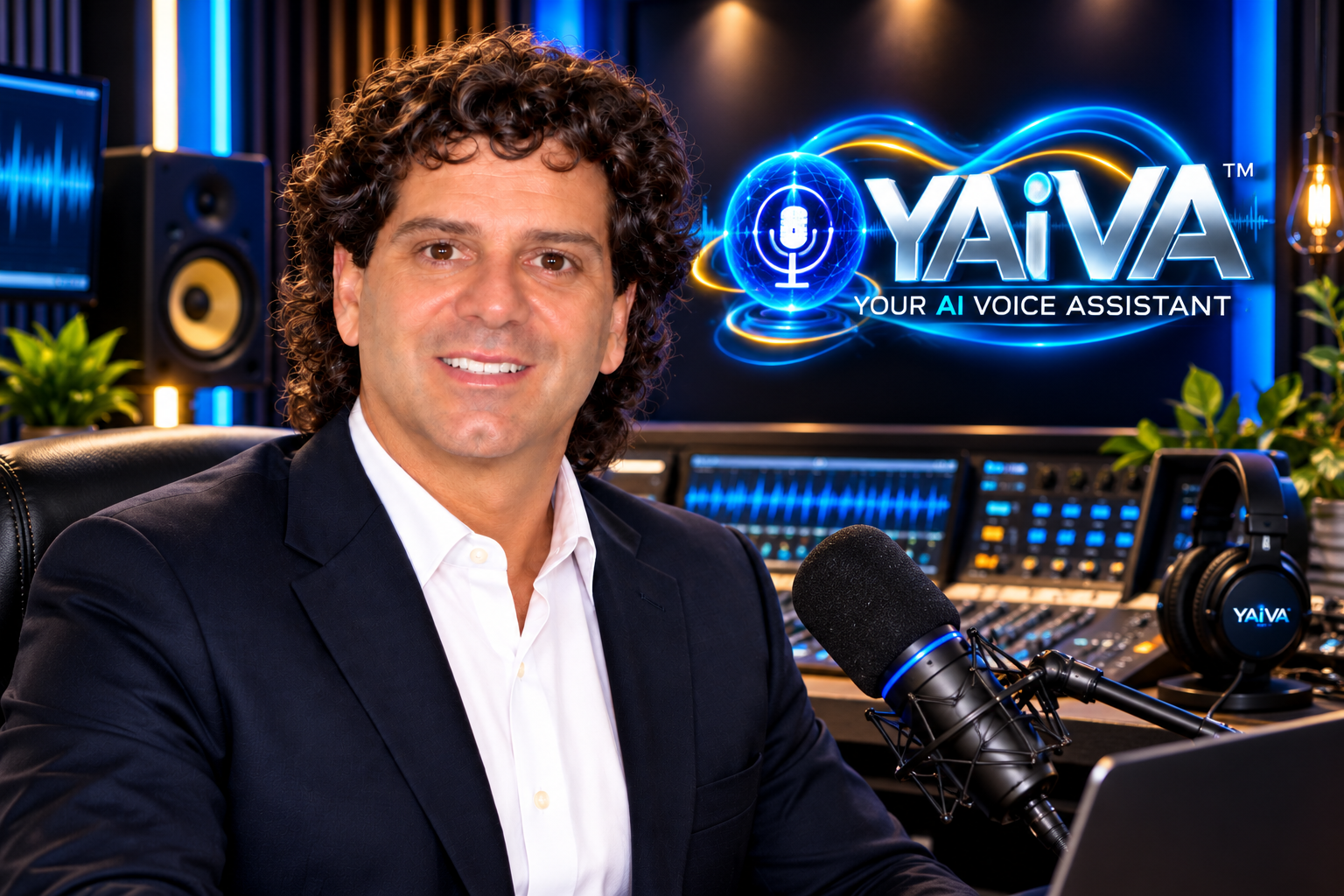
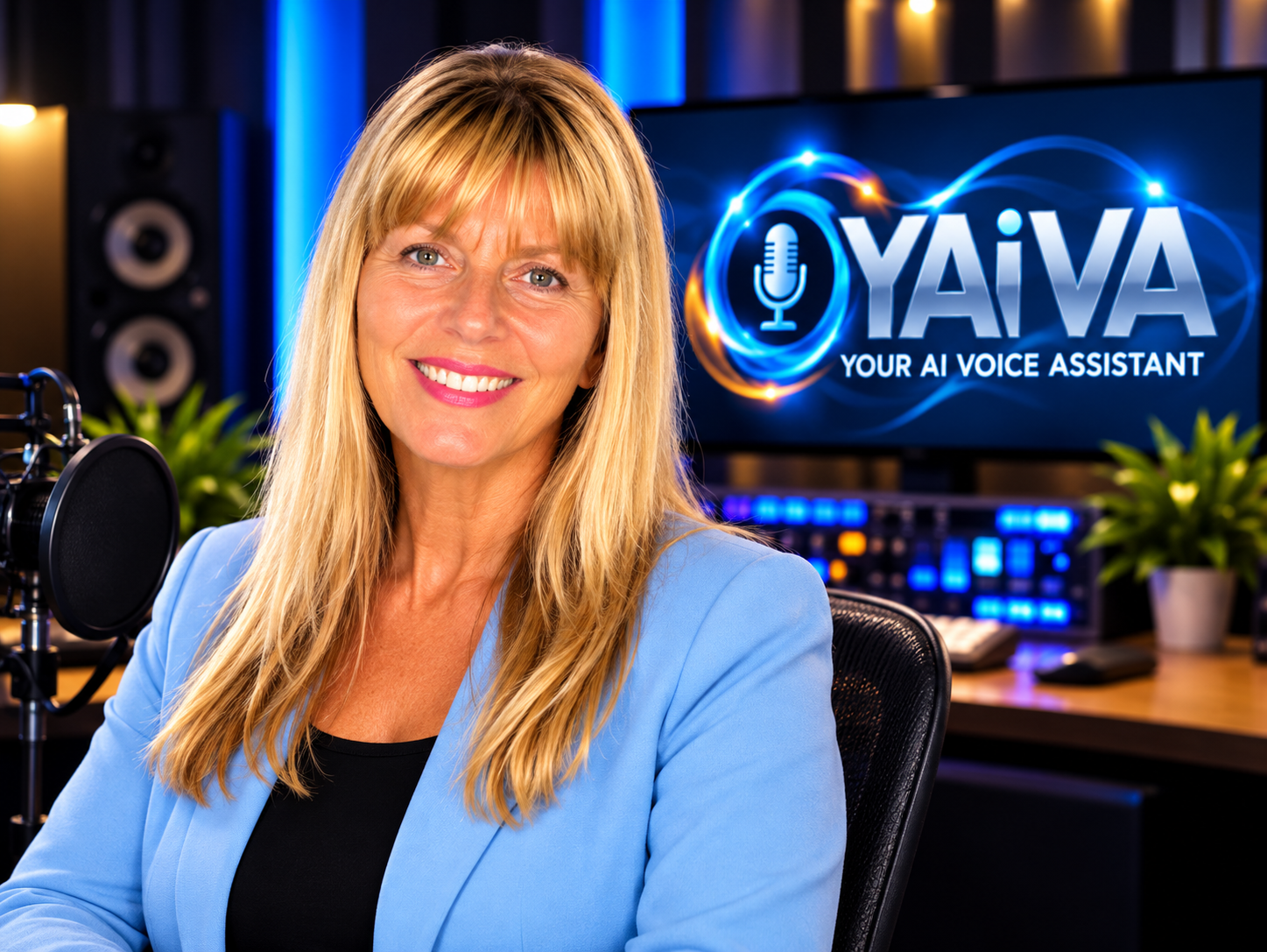
Meet Susie Evans.
Susie has worked alongside Tony for nearly 20 years, bringing a background in education, entrepreneurship, and community involvement to the SunStar team.
A former Pinellas County educator and founder of Chairobics, Susie now works behind the scenes supporting YAIVA's marketing, outreach, and customer communications.
A Missed Call Can Be a Missed Customer.
The more business owners I spoke with, the more I realized the problem wasn't that they didn't care about answering their phones. The problem was that they couldn't be everywhere at once.
They're Running the Business
Owners are on job sites, meeting customers, managing employees, driving, handling paperwork, and doing the work that keeps the business moving.
The Phone Doesn't Wait
Customers call when it's convenient for them — during another appointment, after hours, at lunch, or while everyone in the business is already busy.
The Next Business Is One Call Away
When nobody answers, many callers don't leave a voicemail. They simply move to the next company that can help them.
What if a business could answer every important call without having to hire another person just to sit by the phone?
That question changed the direction of everything. It was no longer about building another answering service. It was about creating an AI system that could actually work alongside the business.
It Became Much More Than an AI Receptionist.
What began as a way to help businesses answer missed calls kept evolving. After months of building, testing, listening and improving, I realized AI could do much more than simply say “Hello.”
Answer Business Calls
Give callers an immediate, professional response even when the owner or staff can't get to the phone.
Capture New Leads
Collect caller information, understand why they're calling, and make sure valuable opportunities aren't lost.
Book Appointments
Help customers schedule appointments while they're actually on the call — without waiting for someone to call them back.
Follow Up Automatically
Connect voice AI with follow-up systems that help keep conversations and opportunities moving after the call.
Use a Cloned Voice
AI doesn't have to sound generic. A business can even create an AI voice experience built around a cloned version of an approved voice.
Automate the Work Behind It
Calls can become part of a larger business system — connecting conversations, customer information, scheduling, follow-up and automation.
The goal was no longer to replace a voicemail. It was to build an AI employee.
One that could communicate with customers, understand the business, handle repetitive tasks, and work alongside the people already running it.
This Is Where SunStar Comes In.
SunStar AI Voice Automations LLC became the foundation for exploring how AI, automation, websites and connected business systems could solve real problems for business owners.
Technology Built Around the Business.
I didn't want to build technology just because it was new. I wanted to find practical ways to make technology useful to the person actually running the business.
That meant connecting the pieces instead of treating each one as a separate tool.
AI Doesn't Have to Feel Like a Machine.
One of the things that fascinated me most while working with AI wasn't only how much information it could provide or how many tasks it could automate.
It was the personality.
I could crack a joke with an AI assistant and it could joke right back. We could have a laugh, then a moment later I could ask a serious business question and the conversation would keep going.
That changed the way I looked at the technology. AI didn't always have to sound cold, scripted or mechanical. It could be useful, conversational, engaging — and yes, sometimes it could simply make you laugh.
Don't just give a business another piece of software. Give it an assistant people can actually talk to.
That's the thinking that helped shape Your AI Voice Assistant — technology designed to communicate naturally, understand the business, accomplish real tasks and still have some personality along the way.
Businesses Were Posting. But Were They Connecting?
As I spent more time watching how local businesses were trying to promote themselves online, I kept noticing the same pattern. Business owners were putting in the effort, posting about their companies again and again — but many of those posts were simply getting lost in the feed.
A Lot of Promotion. Not Enough Conversation.
Businesses were posting their services, sharing photos, running promotions and trying to stay visible.
But visibility alone doesn't necessarily create a relationship. A like is nice. A comment is nice. But neither one means you've actually gotten to know the person behind the business.
The People Behind the Posts.
I started thinking about what would happen if those same business owners could actually meet one another instead of simply scrolling past each other's advertisements.
Put a face with the business. Have a conversation. Learn what each person does. Build familiarity and trust. Give people a reason to remember one another when a referral opportunity comes along.
What if we could turn all that posting into actual business relationships?
Not another place to advertise. Not another feed to scroll. A place where local business owners could meet face-to-face, get to know each other and help one another grow.
From Online Posts to Real Business Connections.
That observation led me to create Tampa Bay Business Exchange — TBBX. The idea was simple: give local business owners a place where they could do more than advertise to one another. Give them a way to actually meet.
Meet the Person Behind the Business.
TBBX was created to bring Tampa Bay business owners face-to-face online, making it easier to introduce themselves, learn about other local businesses, build relationships and create opportunities for referrals.
Meet
Put a face and a personality with the business.
Build Relationships
Learn what other local business owners do and who they help.
Create Referrals
Remember one another when customers, friends or contacts need help.
Networking That Fits Into the Workday.
Business owners don't always have time to drive across town, sit through a long event and lose half a day just to meet a few people.
TBBX uses online meetings so members can connect from their office, a job site, their vehicle between appointments, or wherever the workday happens to take them.
Stop Being Just Another Post.
Instead of hoping someone notices a business post before it disappears down the feed, TBBX gives business owners an opportunity to introduce themselves directly.
Because people are much more likely to remember a conversation — and the person they had it with — than another advertisement they scrolled past.
YAIVA helps businesses connect
with their customers.
TBBX helps businesses connect
with each other.
Both grew from the same idea behind SunStar AI Voice Automations: identify a real problem, build something practical to solve it, and make technology work around the way people actually do business.
Solve the Problem. Then Build Around the People.
That's really the common thread behind everything I've built. Start with a real problem, listen to the people dealing with it, and create something that makes their day easier instead of adding another complicated system they have to manage.
Help Businesses Be Available When Customers Need Them.
Your AI Voice Assistant grew from one very practical problem: business owners can't always answer every call.
YAIVA is designed to help bridge that gap with voice AI, automation, appointment scheduling, lead capture, follow-up and customer communication that can work around the business instead of getting in its way.
Help Businesses Build Relationships With Each Other.
Tampa Bay Business Exchange grew from another practical problem: businesses were constantly promoting themselves online, but not necessarily meeting the people behind all those posts.
TBBX creates another kind of connection — one built around conversations, relationships and referrals between local business owners.
Technology should feel less like something you have to manage and more like something that's working beside you.
That's what continues to fascinate me about AI and automation. It can answer questions, handle repetitive work, communicate with customers, connect systems together — and sometimes even crack a joke at exactly the right moment.
The technology is powerful, but the real value comes from making it useful, approachable and human enough that people actually enjoy interacting with it.
SunStar AI Voice Automations LLC
See What AI Can Do for Your Business.
If you're curious about how voice AI and automation could work around the way your business already operates, let's have a conversation and show you what YAIVA can do.